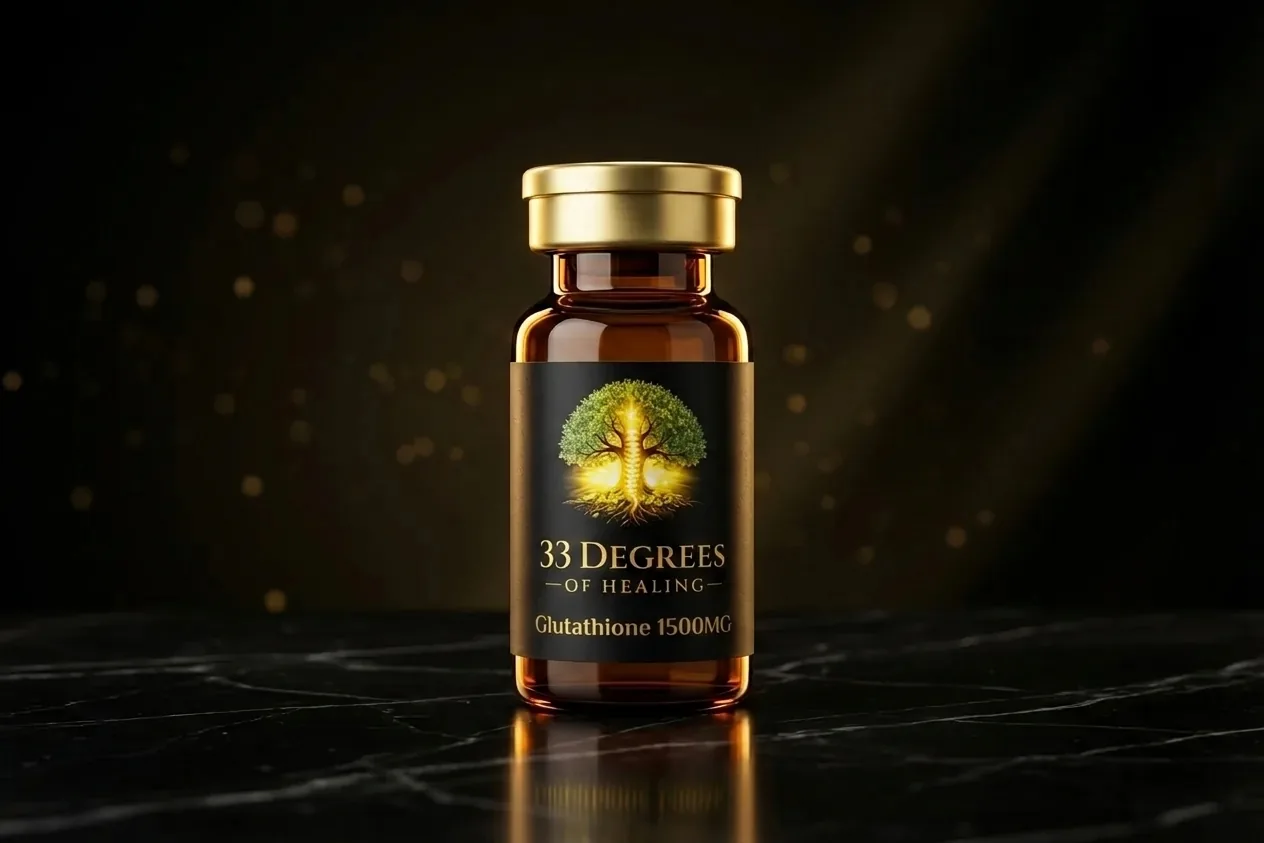
Glutathione
1500mg
Glutathione 1500mg
Cellular Aging

Glutathione

Redox Balance Research

$75.00
Third-Party Lab Tested
COA With Every Order
Fast U.S. Shipping
Text Email

What It Is

Glutathione is a tripeptide composed of three amino acids (glutamate, cysteine, and glycine) and is one of the most abundant intracellular antioxidants in biological systems. It is studied primarily for its role in cellular redox balance — the equilibrium between oxidative and reductive states — and in the enzymatic detoxification pathways that neutralize reactive compounds.

How It Works

1
Glutathione reaches the intracellular environment
2
The reactive thiol group on its cysteine residue donates electrons
3
Reactive oxygen species and electrophiles are neutralized or conjugated
4
Oxidized glutathione is recycled to its reduced form by glutathione reductase

What Researchers Study It For

Cellular redox balance and oxidative-stress pathways
Glutathione-S-transferase detoxification mechanisms
Mitochondrial and hepatocyte cell-model research
Age-related decline in intracellular glutathione concentration

Common Research Protocols

Glutathione is supplied as a lyophilized powder and reconstituted with bacteriostatic water. In research settings it is examined in both reduced (GSH) and oxidized (GSSG) forms, and the GSH:GSSG ratio is a widely used biomarker of cellular oxidative state in published studies.

Community Interest Areas

Glutathione has attracted sustained interest in the longevity and cellular-health research community for its central role as the primary intracellular antioxidant. It is frequently examined alongside NAD+ and other cellular cofactors in research exploring redox balance and mitochondrial function.

3 Amino Acids Tripeptide of glutamate, cysteine, and glycine (γ-Glu-Cys-Gly)
GSH:GSSG Ratio A widely used biomarker of cellular oxidative state in published research

For research purposes only. Not intended for consumption, clinical application, or diagnostic use.